
For Deeper Study of Scripture
Join the Mailing List...and get 50% off your first month
Introduction from John Piper
Getting Started
Read and search the Bible with Greek and Hebrew tools

“Visual meditations” using graphical Bible study methods

The place for learning deeper study of Scripture
Group Subscriptions
Gift Certificates
Biblearc TOOLS for Free
Donate
“Arcing...has been the methodological key to all that I have seen in the Bible.”
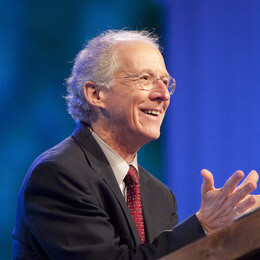
John Piper, Founder-Teacher, Desiring God. Chancellor, Bethlehem College & Seminary.
“An outstanding tool for serious study of the Bible.”

Justin Taylor, Senior Vice President and Publisher for Books at Crossway. Editor.
“[Biblearc’s Bracketing module] is an invaluable tool for studying the word of God.”

Thomas Schreiner, Professor of NT Interpretation and Biblical Theology at the Southern Baptist Theological Seminary.
“The best part about knowing the biblical languages is tracing the argument. The main tool we use for this at Bethlehem College & Seminary is Biblearc.”

Andy Naselli, Associate Professor of Systematic Theology and New Testament at Bethlehem College & Seminary.